

Published: Updated: Paul Breitenbach 8 min read


Mid-sized businesses grow faster when their technology keeps pace with their plans. Most leadership teams already know this. The harder question is who will run that technology every day while the company adds people, locations, clients, and compliance obligations.
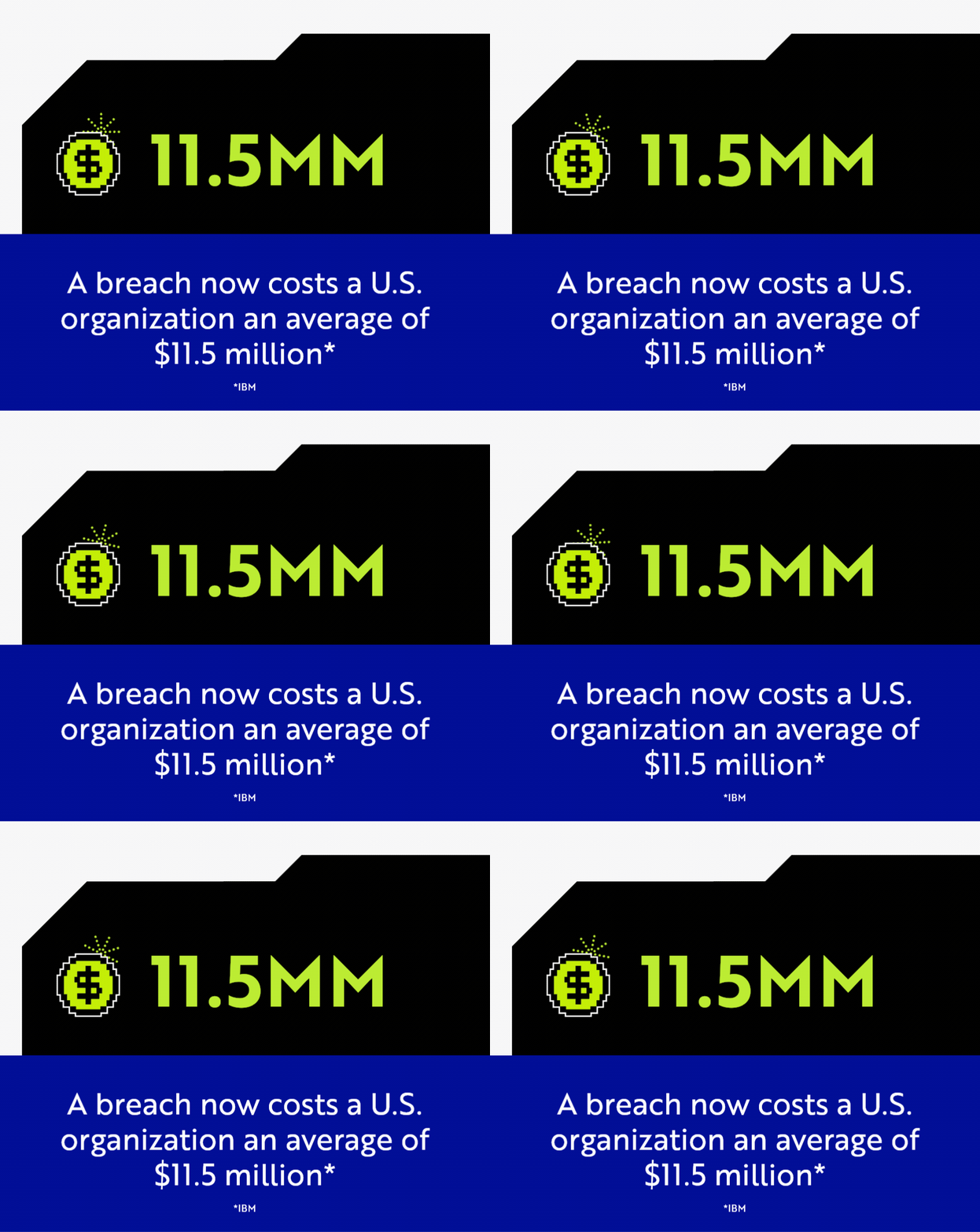
The stakes keep rising. IBM's 2026 research puts the average cost of a U.S. data breach at $11.5 million, more than twice the global average. A small internal team can't monitor systems around the clock, track new regulations, and plan the next cloud project at the same time.
A managed service provider (MSP) closes that gap. This article explains what an MSP does, how that work supports growth, when to bring one in, and what to look for in a provider.
In this article
- What a Managed Service Provider Does
- Six Ways an MSP Supports Business Growth
- Signs Your Business Is Ready for an MSP
- How to Evaluate an MSP
- Plan Your Next Stage of Growth With CompassMSP
- Frequently Asked Questions
What a Managed Service Provider Does
An MSP takes ongoing responsibility for some or all of your IT environment under a recurring agreement. The provider supports your employees, monitors and maintains your systems, secures your users and data, and plans upgrades with your leadership team.
Most MSP agreements cover a core set of services:
- Help desk and on-site support for employees, often available 24/7
- Monitoring and maintenance of servers, networks, laptops, and cloud applications
- Cybersecurity, including endpoint protection, threat detection, and incident response
- Backup and disaster recovery with tested restore plans
- Cloud and Microsoft 365 administration
- Compliance support for frameworks such as HIPAA, CMMC, NIST, and PCI DSS
- Technology planning through a virtual CIO (vCIO) or virtual CISO (vCISO)
Each business decides how much to hand over. Fully managed IT makes the MSP your IT department. Co-managed IT adds an MSP's tools and specialists to an existing internal team. Our guide to managed vs. co-managed IT compares the two models, and MSP vs. MSSP vs. vCISO explains where security providers fit.
Demand for this model continues to climb. Gartner forecasts that worldwide spending on IT services, which includes managed services, will pass $1.87 trillion in 2026, the largest category of IT spending worldwide.
Six Ways an MSP Supports Business Growth
1. Access to Specialists You Couldn't Hire Alone
A growing company needs expertise in security, cloud, networking, compliance, and AI governance. Few mid-sized businesses can hire a full-time specialist for each one, and the shortage carries real risk. In ISC2's 2025 workforce study, 88% of cybersecurity professionals said their organization suffered at least one significant security consequence in the past year because of a skills shortage.
An MSP spreads the cost of those specialists across many clients. Your business gets a team of engineers, security analysts, and technology advisors for a predictable fee. Read Why One IT Guy Can't Do It All Anymore for a closer look at the risks of a one-person IT department.
2. Support That Scales With Headcount and Locations
Every new hire needs a laptop, accounts, licenses, and security controls on the first day. Every new office needs a network, phones, and reliable connectivity. An internal team of one or two people struggles to absorb that work during a period of fast growth.
An MSP relies on standard onboarding steps, documented configurations, and a fully staffed service desk, so support capacity grows with the company. Coverage also continues when an employee resigns or takes vacation, because knowledge of your environment lives in shared documentation. See Managed IT Agreements That Scale for the contract terms to review before your next 100 hires, and When to Outsource IT for a decision framework.
3. Security That Keeps Pace With Attackers
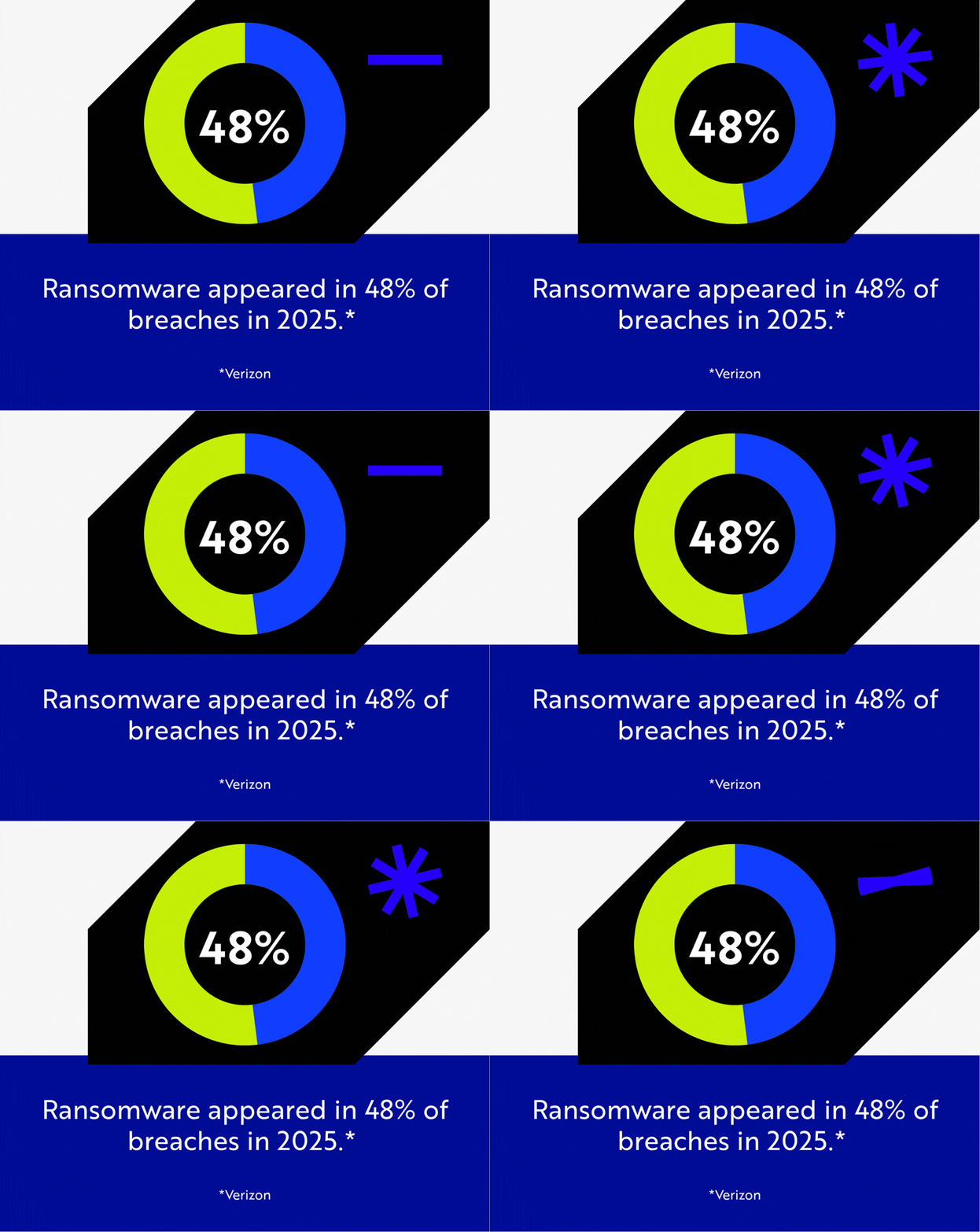
Attackers target mid-sized companies because these firms hold valuable data and often run lean security teams. Verizon's 2026 Data Breach Investigations Report found that ransomware appeared in 48% of breaches, and exploited software vulnerabilities became the top way attackers got in, at 31% of breaches.
An MSP closes those gaps with patch management, endpoint detection and response, 24/7 security monitoring, phishing training, and a tested incident response plan. Speed makes a measurable difference. IBM found that extensive use of security AI and automation cuts the average cost of a breach by $1.93 million. A provider gives mid-sized firms access to that kind of tooling without a separate purchase and hiring plan. The IT Director's Cybersecurity Playbook and Cost of a Cyber Breach: A CEO's Guide cover the next steps in more detail.
4. Less Downtime and Faster Recovery
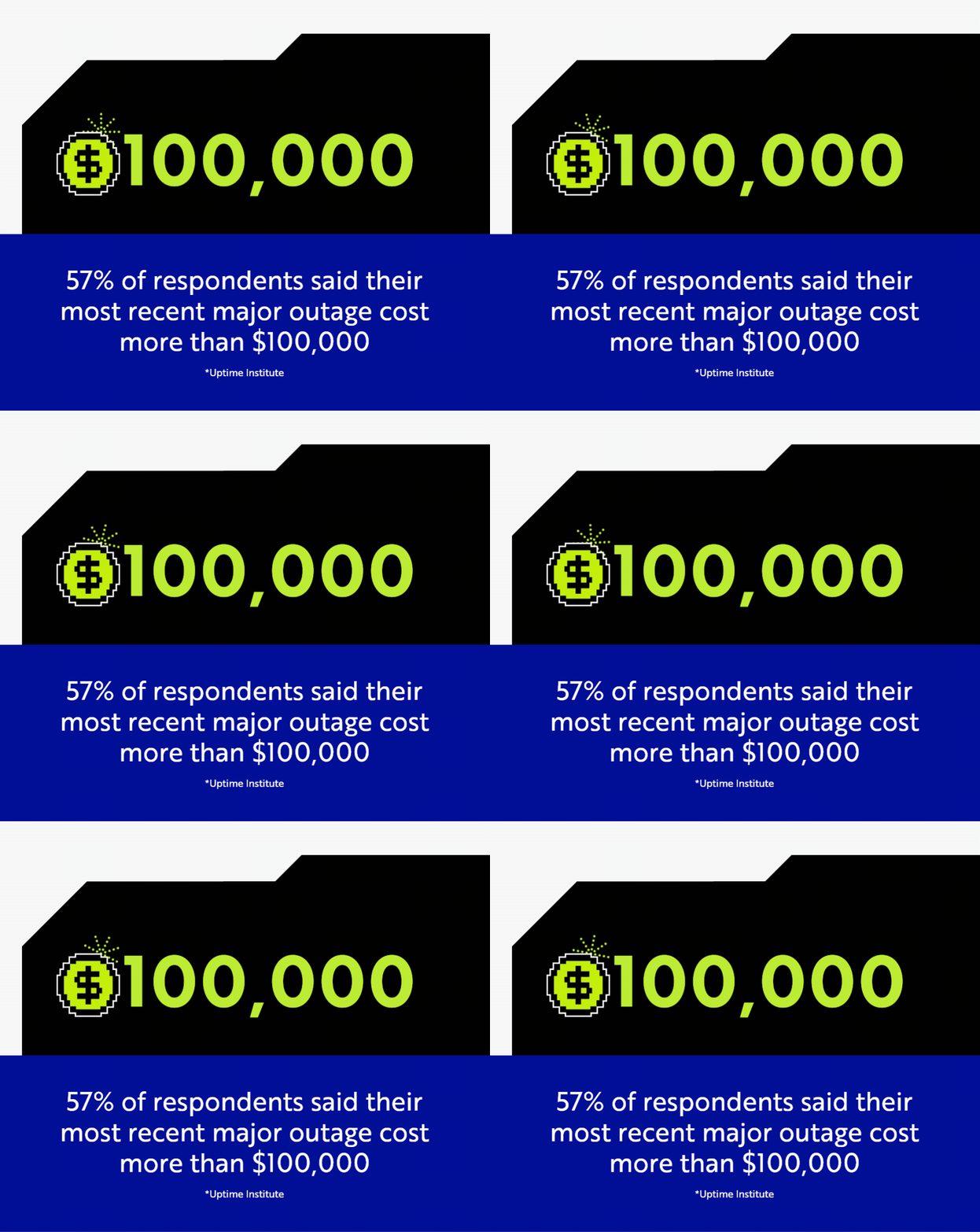
Outages stop revenue, delay client work, and erode customer trust. In Uptime Institute's 2025 survey of IT and data center operators, 57% of respondents said their most recent major outage cost more than $100,000.
MSPs reduce downtime through around-the-clock monitoring, scheduled maintenance, redundant connectivity, and backups that are tested on a regular schedule. When a system does fail, a documented recovery plan shortens the time it takes to restore operations. Read How Fully Managed IT Services Reduce Downtime and our guide to the NIST Recover function to learn more.
5. Predictable Costs and Better Use of Your Technology Budget
A flat monthly agreement replaces surprise repair bills and emergency consulting fees. That predictability makes budgeting easier as the business grows.
An MSP also reviews what you already pay for. Unused software licenses, overlapping security tools, and aging hardware add up over time. A yearly technology plan ties each purchase to a business goal and spreads large projects across budget cycles. For more detail, see IT Cost Optimization for Small Businesses, The Case for an Annual Technology Plan, and The vCIO Advantage.
6. Compliance That Opens Doors to New Business
Regulations now reach companies of every size. Healthcare organizations answer to HIPAA, defense suppliers must meet CMMC requirements to win Department of Defense contracts, and financial firms face SEC, FINRA, and NYDFS rules. The cost of a mistake is high in regulated fields, and IBM reports that the average healthcare breach cost $6.64 million in 2026, the highest of any industry.
An MSP with compliance experience maps your controls to the required framework, keeps audit evidence current, and watches for gaps between assessments. That work protects the business from penalties and qualifies it for contracts and clients that require proof of security. Explore What Managed IT Services Cover for Compliance, The Compliance Imperative: Continuous Monitoring, and What Compliance Standards Matter Most for Your Industry?
Signs Your Business Is Ready for an MSP
Most companies bring in an MSP after one or more of these situations becomes true:
- Your IT knowledge sits with one or two people, and their absence would stall operations.
- Your IT staff spends more time on password resets and printer tickets than on planning.
- You are adding offices, remote employees, or an acquisition, and IT can't keep up.
- A client, insurer, or regulator has asked for security documentation you can't produce.
- Nobody monitors your systems at night or on weekends.
- Your last major technology purchase happened without a written plan or budget.
If two or more of these apply, an assessment of your current environment is a practical first step. Regulated firms face extra pressure, which we cover in What Makes IT Hard for Regulated Businesses to Manage Without Outsourced IT Services?
How to Evaluate an MSP
Ask every provider the same questions so you can compare the answers side by side:
- What response and resolution times does the contract guarantee, and how do you report on them?
- Do you run a 24/7 security operations center, and who responds when an alert fires at 2 a.m.?
- Which compliance frameworks have your current clients passed audits under?
- Will we have a named vCIO, and how often will we meet to review our technology plan?
- How does pricing change as we add users, devices, or locations?
- Who owns our documentation and administrator credentials if we end the relationship?
Our checklist for choosing the right managed IT services provider and MSP and MSSP RFP template walk through the full evaluation. For a 2026 view of contract terms and SLAs, read How to Choose a Fully Managed IT Provider in 2026.
Plan Your Next Stage of Growth With CompassMSP
CompassMSP supports mid-sized businesses in healthcare, financial services, legal, manufacturing, and professional services with managed IT, cybersecurity and advisory services, compliance and risk management, and cloud and infrastructure services. Our teams work from offices across the country, and CRN named CompassMSP to its 2026 MSP 500 list in the Pioneer 250 category.
See how New Jersey Precision Technologies worked with us to support growth and Department of Defense readiness, or how Telescope Health improved system reliability and HIPAA compliance.
Talk to an expert about where your IT stands today and what it will take to support your next phase of growth.

Paul Breitenbach
With nearly 20 years of experience designing enterprise-grade IT solutions, Paul specializes in supporting organizations that cannot afford downtime. Before becoming our CIO, he served as CIO of WorldwideIT, a Compass company, where he led large-scale infrastructure, cloud, and security initiatives for highly regulated industries.