
Go Back Up

If Cyber Risk Is on Your Radar, NIST Readiness Isn’t Optional

This assessment is designed for leaders who own the outcome when cyber risk turns into business risk. If security decisions influence contracts, insurance, or operational continuity, this quiz helps you understand whether NIST readiness belongs on your roadmap.

CEOs & Business Owners

You need to know whether cybersecurity maturity is quietly limiting growth, contracts, or enterprise credibility, and whether NIST readiness has become a business requirement, not an IT upgrade.

CFOs & Operations Leaders

You’re responsible for understanding the financial blast radius of a cyber incident, including downtime, insurance exposure, regulatory risk, and the cost of getting it wrong.

Legal, Compliance & Risk Professionals

You oversee sensitive data like IP, CUI, or ePHI and need clarity on exposure, defensibility, and whether aligning to a recognized framework strengthens your risk posture.

IT Directors & Security Leaders

You want to benchmark security maturity against recognized frameworks and determine if NIST, ISO 27001, or SOC 2 alignment is the right move based on where the business is headed.

The Value Of Your NIST 800-171 Readiness Evaluation

This assessment provides the technical and strategic clarity needed to align your security posture with Department of Defense requirements without disrupting your operational flow.

Your responses across nine critical business questions are analyzed to determine the immediate urgency of NIST 800-171 for your organization.

Review your results with a CompassMSP vCISO to translate these findings into a practical and risk-focused roadmap.

We provide clear recommendations on whether full NIST alignment or a baseline cybersecurity overhaul is most appropriate for your business stage.

See how your current readiness affects cyber insurance reviews and the security expectations of your prime contractors.

Identify opportunities to isolate sensitive data into a secure enclave to significantly reduce your total compliance footprint.

Assess the maturity of your written policies and your ability to produce the evidence required by federal auditors.


Cybercrime Costs More Every Year As cyber attacks grow more frequent, the cost to recover keeps climbing. Downtime, data loss, insurance exposure, and customer confidence all factor into the true cost of cyber risk.

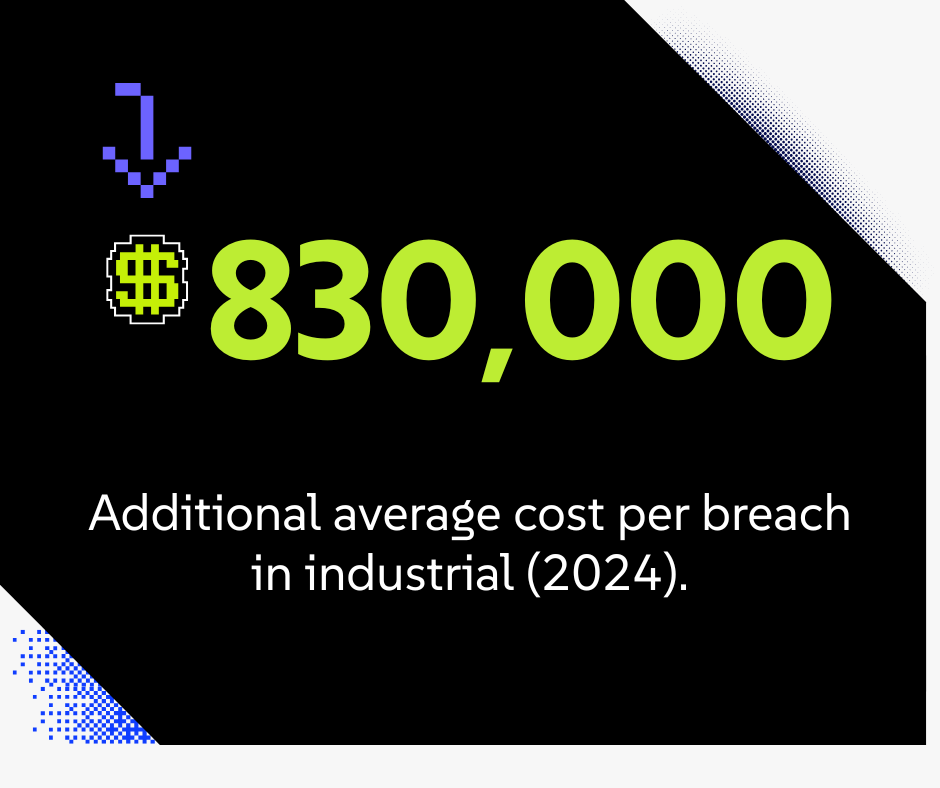
Industrial Costs +$830K

Industrial-sector breach costs increased by $830,000 year-over-year in 2024, driven by downtime and slow detection.
industrial-breach-costs-830k

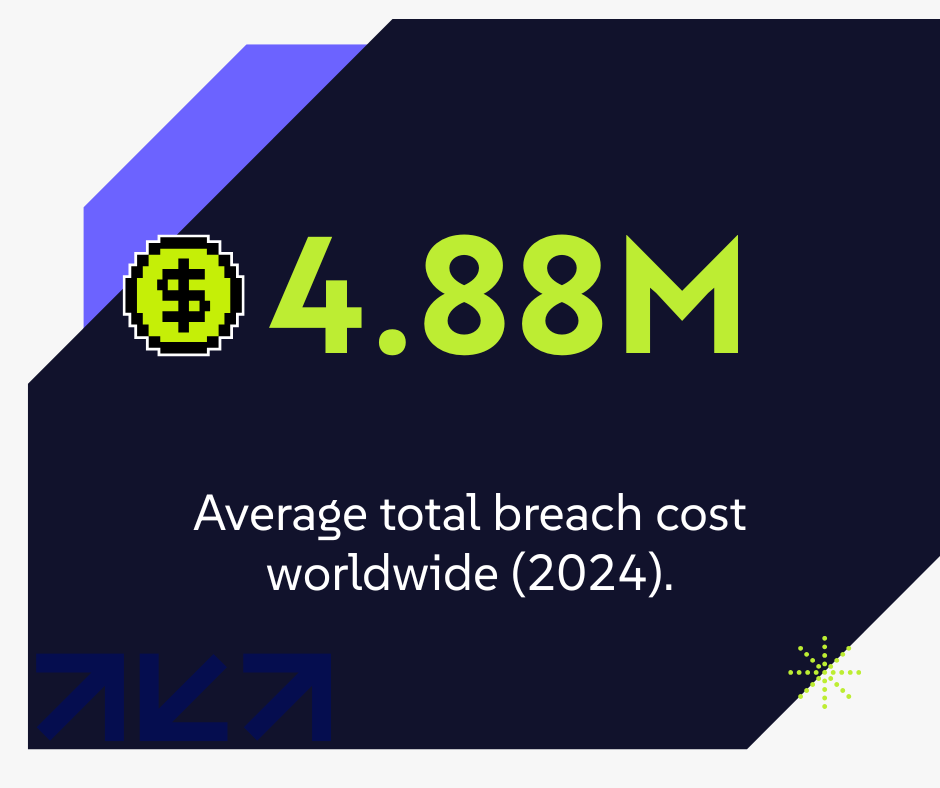
Average Breach: $4.88M

The global average cost of a data breach reached $4.88M in 2024.
average-data-breach-cost-4-88m

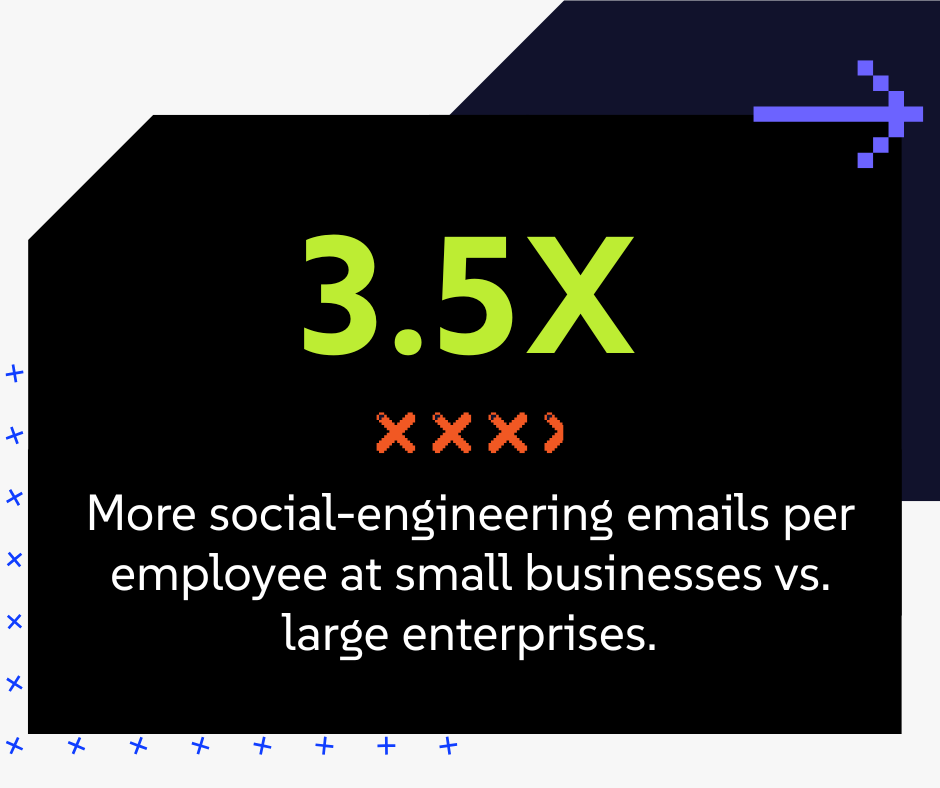
3.5x More Attacks

Employees at small businesses receive 350% more social engineering attacks than employees at large enterprises.
cybersecurity-3-5x-more-attacks
industrial-breach-costs-830k
average-data-breach-cost-4-88m
cybersecurity-3-5x-more-attacks
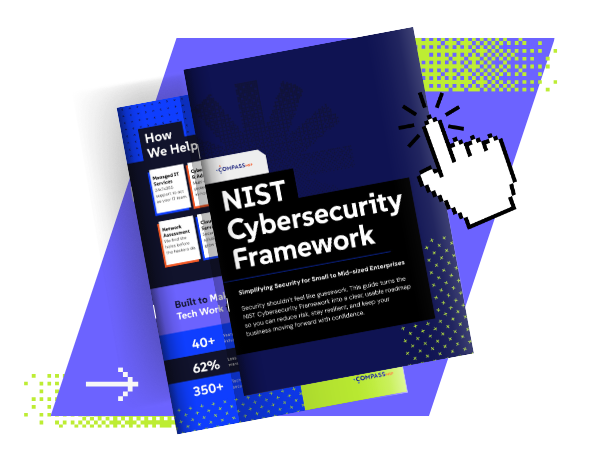
Gated Page Mockup NIST Cyber Guide
NIST FRAMEWORK

What Is the NIST Cybersecurity Framework?

The NIST Cybersecurity Framework is a widely adopted, risk-based approach to managing cybersecurity developed by the National Institute of Standards and Technology. It gives organizations a shared language for understanding cyber risk and a practical structure for reducing it.Instead of prescribing one-size-fits-all controls, the framework organizes security into six core functions: Govern, Identify, Protect, Detect, Respond, and Recover. Together, these functions help businesses focus on what matters most, protect critical assets, and respond effectively when incidents occur.For many organizations, NIST becomes the foundation for smarter security decisions, clearer accountability, and a more defensible risk posture as cyber threats, customer expectations, and regulatory pressure increase. For a deeper breakdown of the framework and how it applies to mid-sized businesses, explore our NIST Cybersecurity Framework Guide.

FAQs

Frequently Asked Questions About NIST Readiness and Cybersecurity Alignment

Leaders need clarity before they act. These answers break down what NIST readiness means, when it matters, and how it shapes your risk, compliance posture, and next move.

What is the NIST Cybersecurity Framework?

A structured standard that helps organizations identify, protect, detect, respond to, and recover from cybersecurity threats. It turns complex security decisions into a clear operating model your business can follow.[source https://www.nist.gov/cyberframework]

Is NIST compliance required for my business?

Not always. It becomes mandatory in specific cases, such as federal contracts or regulated environments. Many mid-sized businesses adopt it voluntarily to reduce risk and strengthen credibility.

How do I know if my business needs NIST now or later?

If you handle sensitive data, work with government entities, or face increasing security scrutiny from clients or insurers, the timing is now. If not, readiness still gives you a strategic advantage before requirements catch up.

Is NIST only for large enterprises or government contractors?

No. NIST scales well for mid-sized businesses that need structure without unnecessary complexity. It is widely used to bring discipline to growing environments.

How does NIST differ from ISO 27001 or SOC 2?

NIST focuses on operational security and risk management. ISO 27001 emphasizes formal certification and governance. SOC 2 validates controls for service organizations. Many businesses use NIST as the foundation, then map to other frameworks as needed.

What does “NIST readiness” actually mean?

It means understanding where you stand today, identifying gaps, and building a clear, prioritized path forward. Not theory. A plan you can execute against.

Does NIST readiness help with cyber insurance?

Yes. Insurers increasingly expect structured security controls. Demonstrating alignment with NIST can improve insurability, reduce friction during underwriting, and support stronger coverage positions.

What happens after I complete the quiz?

You receive a clear snapshot of your current posture, along with recommended next steps. From there, we help translate that insight into a practical roadmap aligned to your business priorities.

Get Clarity on Your NIST Readiness.

Have questions about NIST readiness or what your score means? Our team is here to help you make sense of it.

Ready to secure your future? Here is what happens next:

  • Discovery
    We schedule a brief call to understand your pain points.

  • Assessment
    We review your current infrastructure and security posture.

  • Roadmap
    We present a right-sized plan to modernize and secure your business.
Next Section