
CompassMSP Acquires Simplegrid Technology, Inc., Expanding High-Touch IT and Cybersecurity for Regulated Industries[Read More]

If Cyber Risk Is on Your Radar, NIST Readiness Isn’t Optional

This assessment is designed for leaders who own the outcome when cyber risk turns into business risk. If security decisions influence contracts, insurance, or operational continuity, this quiz helps you understand whether NIST readiness belongs on your roadmap.
  • CEOs & Business Owners

    You need to know whether cybersecurity maturity is quietly limiting growth, contracts, or enterprise credibility, and whether NIST readiness has become a business requirement, not an IT upgrade.

  • CFOs & Operations Leaders

    You’re responsible for understanding the financial blast radius of a cyber incident, including downtime, insurance exposure, regulatory risk, and the cost of getting it wrong.

  • Legal, Compliance & Risk Professionals

    You oversee sensitive data like IP, CUI, or ePHI and need clarity on exposure, defensibility, and whether aligning to a recognized framework strengthens your risk posture.

  • IT Directors & Security Leaders

    You want to benchmark security maturity against recognized frameworks and determine if NIST, ISO 27001, or SOC 2 alignment is the right move based on where the business is headed.

What You Get


By completing this 
short evaluation, you will receive a high-level breakdown of your compliance posture:
 

A Strategic Priority Score

Your responses across 9 business questions are analyzed to show how urgent NIST is for your organization.

Interpretation Guidance

Clear recommendations explain whether full NIST alignment, targeted adoption, or baseline cybersecurity makes sense now.

Insurance + Vendor Insights

See how NIST readiness may affect cyber insurance reviews, customer requirements, and partner security expectations.

Direct vCISO Feedback

Review your results with a CompassMSP vCISO to translate insight into a practical, risk-focused roadmap.


Cybercrime Costs More Every Year As cyber attacks grow more frequent, the cost to recover keeps climbing. Downtime, data loss, insurance exposure, and customer confidence all factor into the true cost of cyber risk.

Industrial Costs +$830K

Industrial-sector breach costs increased by $830,000 year-over-year in 2024, driven by downtime and slow detection.
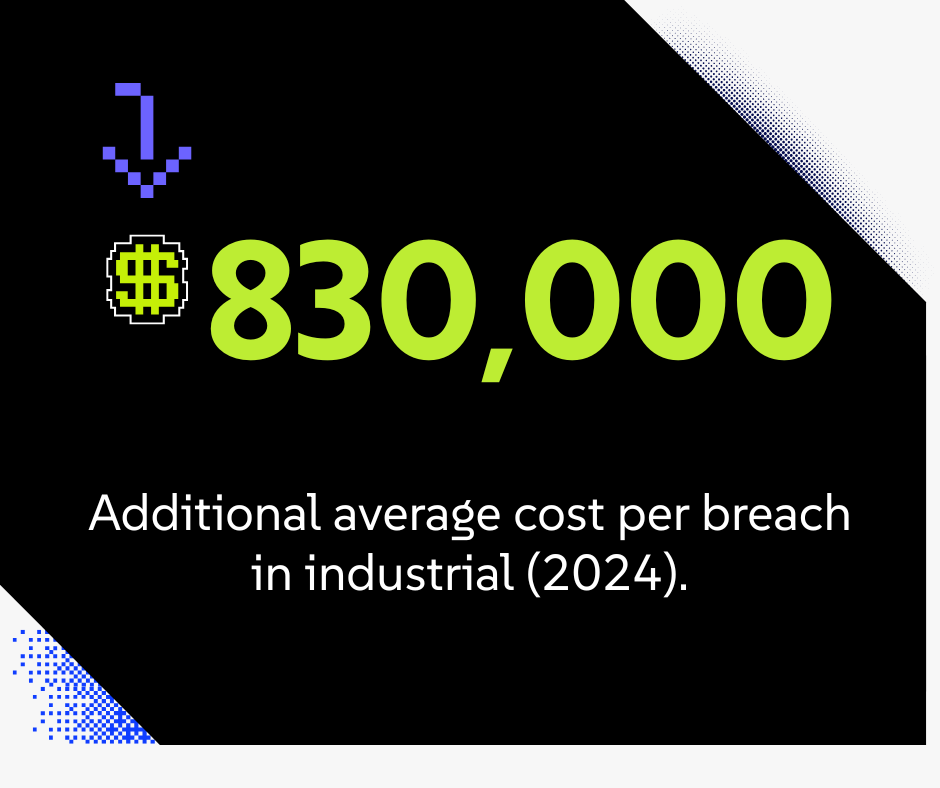
industrial-breach-costs-830k

Average Breach: $4.88M

The global average cost of a data breach reached $4.88M in 2024.
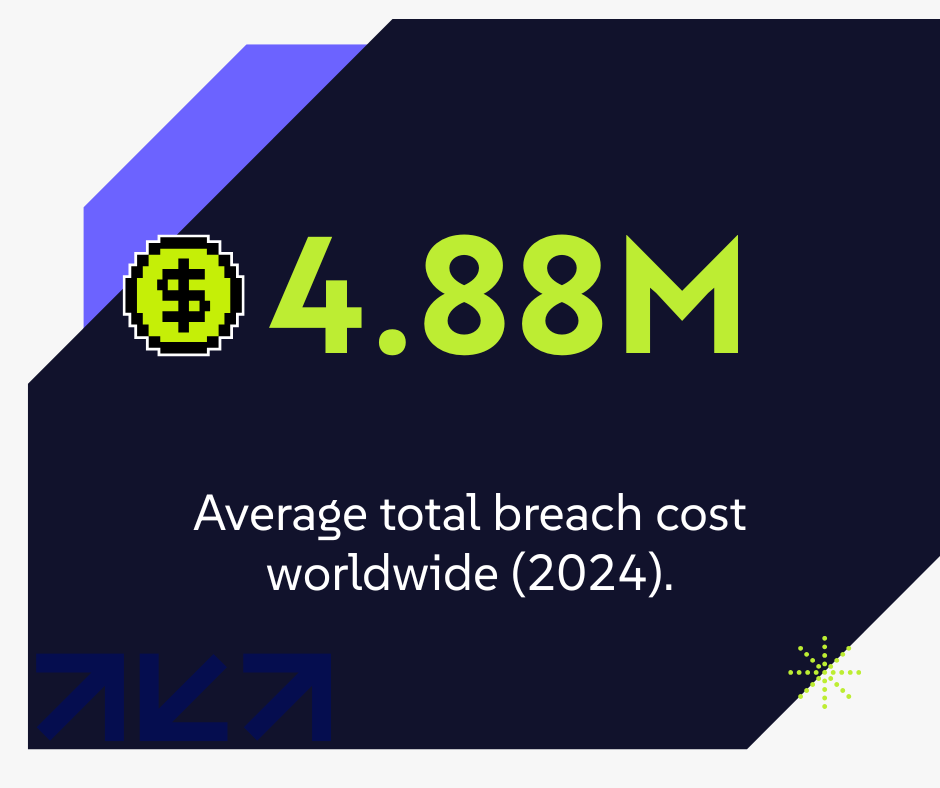
average-data-breach-cost-4-88m

3.5x More Attacks

Employees at small businesses receive 350% more social engineering attacks than employees at large enterprises.
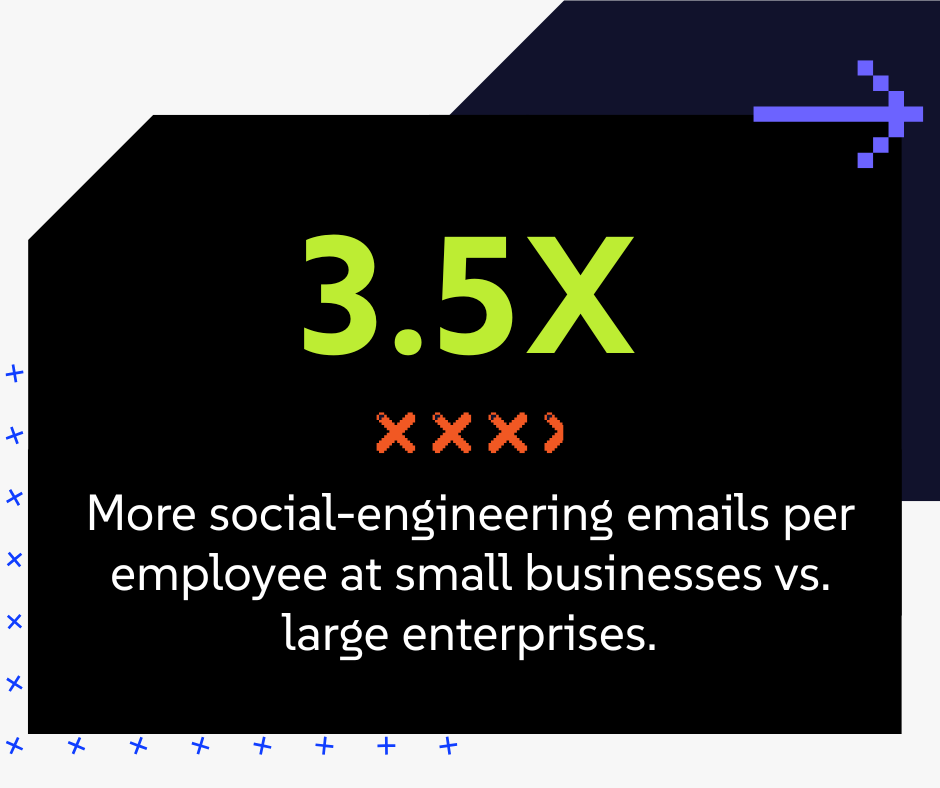
cybersecurity-3-5x-more-attacks
industrial-breach-costs-830k
average-data-breach-cost-4-88m
cybersecurity-3-5x-more-attacks

What Is the NIST Cybersecurity Framework?

The NIST Cybersecurity Framework is a widely adopted, risk-based approach to managing cybersecurity developed by the National Institute of Standards and Technology. It gives organizations a shared language for understanding cyber risk and a practical structure for reducing it.

Instead of prescribing one-size-fits-all controls, the framework organizes security into six core functions: Govern, Identify, Protect, Detect, Respond, and Recover. Together, these functions help businesses focus on what matters most, protect critical assets, and respond effectively when incidents occur.

For many organizations, NIST becomes the foundation for smarter security decisions, clearer accountability, and a more defensible risk posture as cyber threats, customer expectations, and regulatory pressure increase. For a deeper breakdown of the framework and how it applies to mid-sized businesses, explore our NIST Cybersecurity Framework Guide.

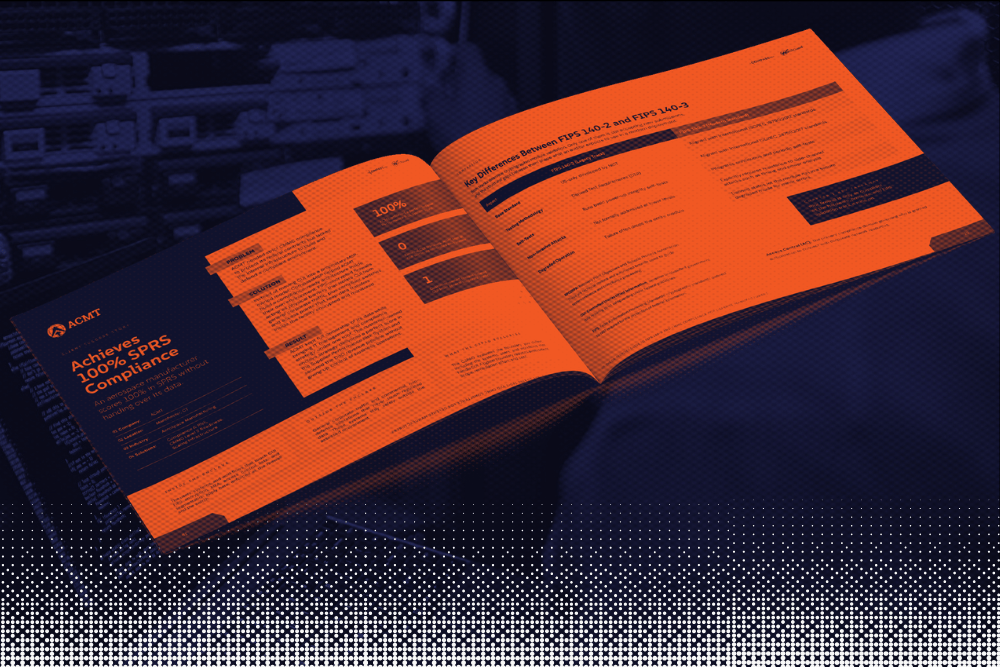
Gated Page Mockup NIST Cyber Guide

FAQs

Frequently Asked Questions About NIST Readiness

Clear answers to what NIST readiness means, when it matters, and how it affects your business.

What is the NIST Cybersecurity Framework?

The NIST Cybersecurity Framework is a set of best practices developed by the National Institute of Standards and Technology to help organizations manage cybersecurity risk. It provides a structured way to govern, identify, protect, detect, respond to, and recover from cyber threats.

Is NIST compliance required for my business?

For most private-sector companies, NIST is not legally required. However, it is often expected by federal customers, defense contractors, regulated industries, insurers, and enterprise partners. Many organizations adopt NIST because it strengthens credibility and defensibility, not because they are mandated to.

How do I know if my business needs NIST now or later?

If cybersecurity affects contracts, insurance renewals, customer trust, or regulatory exposure, NIST readiness may already be a near-term requirement. This quiz helps determine whether NIST is urgent, emerging, or unnecessary based on your business context.

Is NIST only for large enterprises or government contractors?

No. While NIST originated in the federal space, it is widely used by mid-sized businesses because it scales well and focuses on outcomes rather than rigid controls. Many growing organizations use NIST to prepare for larger clients and stricter requirements.

How does NIST differ from ISO 27001 or SOC 2?

NIST is flexible and risk-based, allowing organizations to tailor controls to their environment. ISO 27001 requires formal certification, while SOC 2 focuses on third-party assurance. NIST often serves as the foundation that supports or complements those frameworks.

What does “NIST readiness” actually mean?

NIST readiness means your organization understands its cyber risk, has governance and controls aligned to business priorities, and can demonstrate maturity when customers, insurers, or auditors ask. It does not always mean full compliance.

Does NIST readiness help with cyber insurance?

Often, yes. Insurers increasingly look for evidence of structured risk management. While NIST alignment does not guarantee lower premiums, it can improve insurability and reduce friction during underwriting.

What happens after I complete the quiz?

You’ll receive guidance based on your score, showing whether full NIST alignment, targeted adoption, or baseline cybersecurity makes the most sense. You’ll also have the option to review your results with a CompassMSP vCISO to map next steps.

https://7139015.fs1.hubspotusercontent-na1.net/hubfs/7139015/event-cuicon-Feb%202026.jpg

Jan 12, 2026 1:16:52 PM

CUI-CON - February 11-13, 2026

https://7139015.fs1.hubspotusercontent-na1.net/hubfs/7139015/gap-analysis.gif

Jan 8, 2026 7:00:00 AM

The Hidden Cost of Skipping Compliance Gap Analysis

https://7139015.fs1.hubspotusercontent-na1.net/hubfs/7139015/co-managed-vs-fully-managed-IT.gif

Jan 5, 2026 2:59:47 PM

Managed vs. Co-Managed IT: Which Support Model is Right for Your Business?

https://7139015.fs1.hubspotusercontent-na1.net/hubfs/7139015/minimum-security-standards.gif

Jan 5, 2026 2:37:28 PM

Minimum Security Standards: What Every CEO Needs to Know

https://7139015.fs1.hubspotusercontent-na1.net/hubfs/7139015/ai-prompt-injection.gif

Jan 2, 2026 3:11:22 PM

Prompt Injection: How to Stop the Biggest AI Security Risk for Small Businesses


  • © 2025 CompassMSP All Rights Reserved.