

Published: Updated: Emily Zaczynski 14 min read


For decades, business leaders have been taught to buy "antivirus" software. It was the digital "lock" you put on your computers. You installed it, it ran in the background, and you felt secure.
As your Virtual Chief Information Security Officer (vCISO), I regret to inform you: that era is over.
Relying solely on traditional antivirus software today is like putting a $5 padlock on a bank vault. The threats have evolved, but this "prevention-only" mindset has left most businesses dangerously blind. The most critical, and costly, part of a cyberattack isn't just the breach itself, it's the time an attacker spends inside your network, completely undetected.
Think of this less as a technical paper on viruses and more as a strategic analysis of invisibility. The real threat isn't the breach; it's the 'Dwell Time', the days or months an attacker operates in your network undetected. We'll explore why traditional antivirus is blind to this threat and how a 24/7/365 U.S.-based Security Operations Center (SOC) executes the NIST "Detect" function to reclaim that visibility and manage this risk."
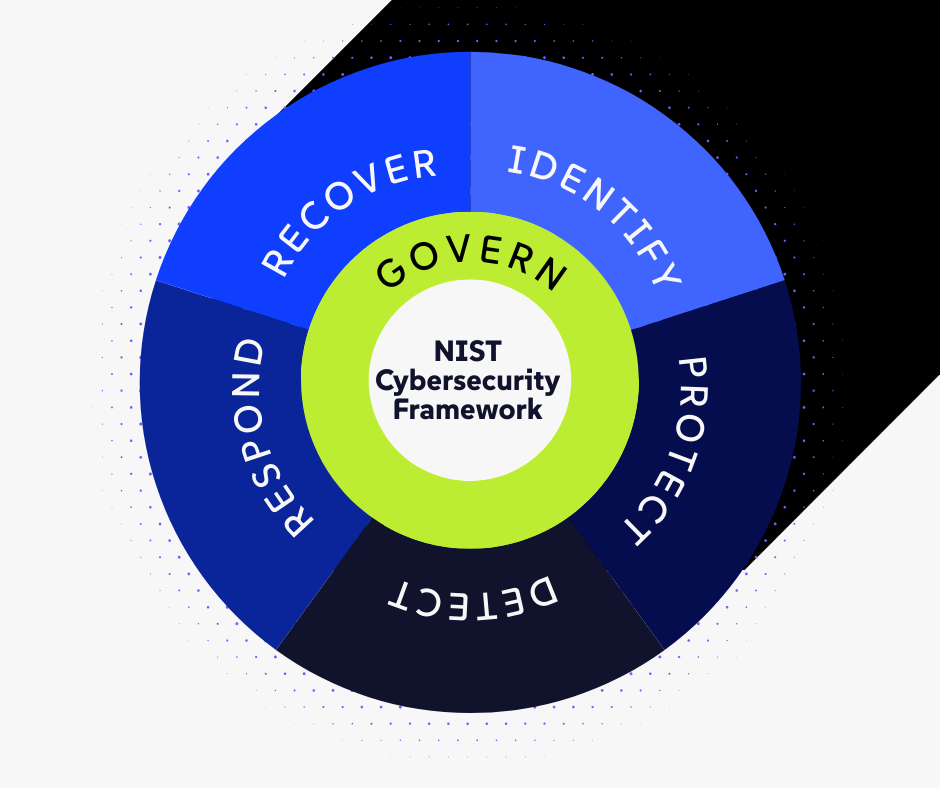
The "Protection Gap": Why Your Antivirus Is Already Obsolete
The Real Enemy Isn't the Breach; It's the "Dwell Time"
What is a SOC? A Business Translation of the "Detect" Function
Why a "U.S.-Based" SOC Isn't a Marketing Tactic, It's a Security Requirement
How "Detect" Connects to "Respond"
Frequently Asked Questions About 24/7 SOC Services
The "Protection Gap": Why Your Antivirus Is Already Obsolete
Your traditional antivirus software works by using a "signature-based" model. It has a giant list of known viruses, and if it sees a file that matches that list, it stops it.
Here's the problem: attackers don't use known viruses anymore.
They use "zero-day" exploits (brand-new vulnerabilities) and "fileless" attacks that live in your computer's memory, not as a file. These malicious payloads are invisible to your antivirus.
The data is stark. According to WatchGuard's 2024 "Internet Security Report," zero-day malware (which evades signature-based AV) accounted for 73% of all malware payloads in Q4 2023.
This means nearly three out of every four new threats will sail past your traditional antivirus as if it weren't even there. This is the "Protection Gap" that attackers live in.
The Real Enemy Isn't the Breach; It's the "Dwell Time"
This is the most important concept a CFO or CEO needs to understand.
"Dwell Time" is the period from when an attacker first gains access to your network to the moment you detect them.
This is not a "smash and grab." This is a "move in and set up camp." The attacker is in your house, not to steal the TV, but to install cameras, copy your keys, and learn your family's routine.
During this time, they are:
- Mapping your network.
- Finding your "crown jewels" (financial records, client lists, HR files).
- Stealing your administrative passwords.
- Disabling your backups.
- Silently copying (exfiltrating) your most sensitive data.
Only after they have done all this do they launch the final, noisy phase of the attack (like ransomware). By then, it's too late.
The financial data is chilling. According to the IBM 2024 "Cost of a Data Breach" Report, the global average time to identify and contain a data breach is 277 days. That's over nine months.
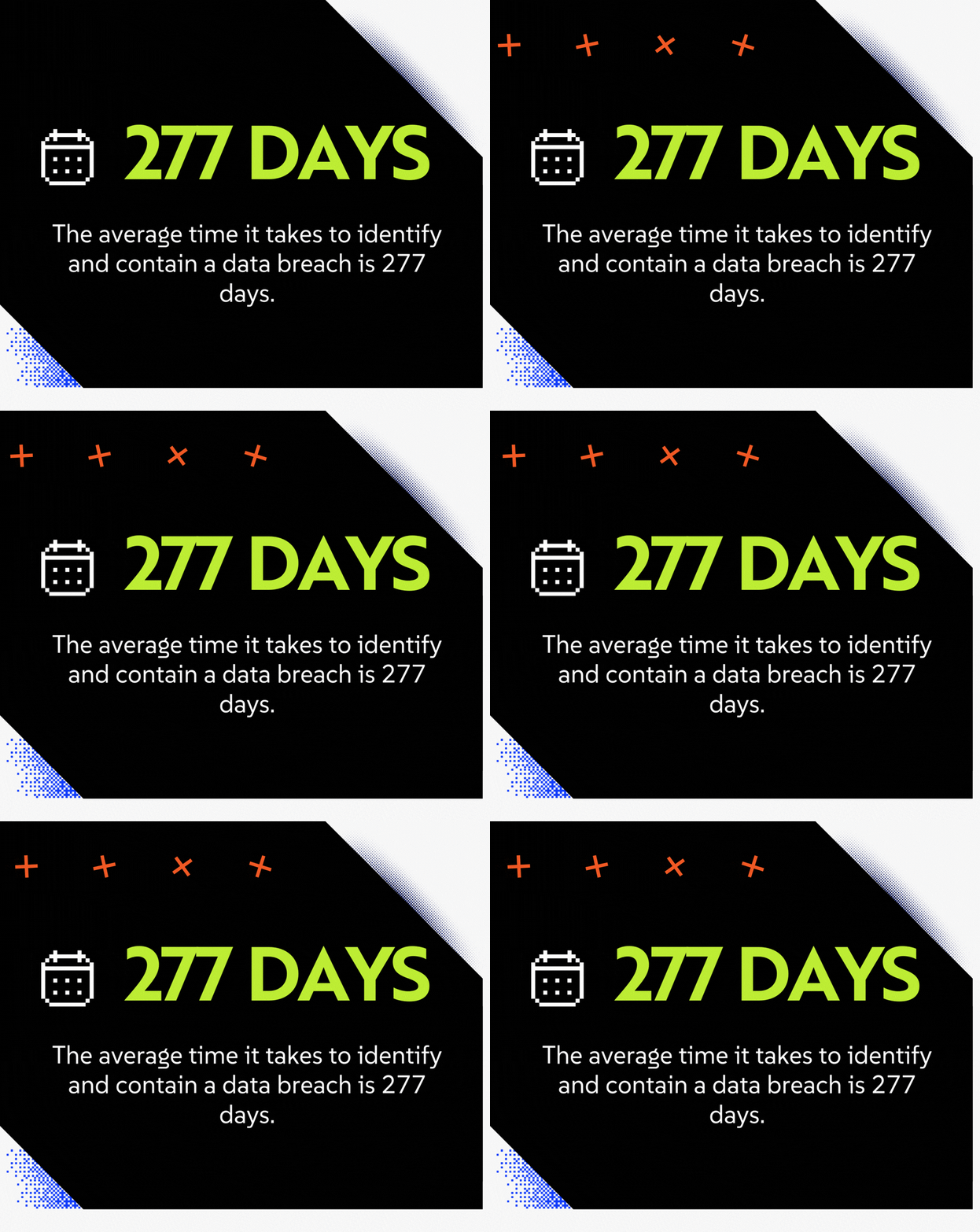
What does that 9-month "Dwell Time" cost you? The same IBM report found that breaches contained in under 200 days cost $1.02 million less than those that took longer.
This is the ballgame. Your antivirus is blind to this. Your IT team, going home at 5 PM, is blind to this. The only way to shrink "Dwell Time" from 277 days to 277 minutes is with 24/7/365 detection.
What is an SOC? A Business Translation of the "Detect" Function
A Security Operations Center (SOC) is the engine that drives the NIST "Detect" function.
The "Detect" function is defined as "the discovery of cybersecurity events." A SOC is the "how." It's not a single piece of software. It is a 24/7, managed program that consists of three parts:
- Technology (The "Eyes"): This includes tools like a SIEM (Security Information and Event Management) and EDR (Endpoint Detection & Response). This technology collects billions of "log" messages from your firewalls, servers, laptops, and cloud applications. It's the "raw camera footage" from every corner of your business.
- Process (The "Brain"): This is the AI-driven "threat intelligence" platform. It sifts through those billions of logs in real-time, filtering out the 99.9% of "noise" to find the 0.1% that represents a real threat. It's the "smart alarm" that can tell the difference between a cat and a burglar.
- People (The "Guard"): This is the most critical part. A 24/7/365 team of highly trained, expert security analysts. When the "smart alarm" (the AI) finds a credible threat, it creates a ticket. A human analyst then investigates that threat within minutes.
This is the bank vault analogy. Your "Protect" controls (like firewalls and antivirus) are the steel door. Your SOC is the 24/7 team of armed guards in a back room, watching every motion sensor, pressure plate, and camera feed, ready to act the instant a threat is detected.
Why a "U.S.-Based" SOC Isn't a Marketing Tactic, It's a Security Requirement
You will see many providers, including us, specify a "U.S.-Based" SOC. This isn't a minor detail; it's a deliberate, strategic choice. This distinction is a critical pillar of compliance, data sovereignty, and operational resilience.
1. The Compliance & Data Sovereignty Mandate
If you are in any regulated industry, Healthcare (HIPAA), Finance (SEC/NYDFS), or Defense (CMMC), you are legally responsible for where your data goes. Your "logs" (the data a SOC ingests) contain sensitive information. Sending this data to an overseas, non-U.S. SOC can be a direct compliance violation. It can break "data residency" laws and expose your company to massive fines. A U.S.-based SOC ensures your sensitive data stays within the U.S. legal and regulatory jurisdiction.
2. The "Fog of War" Communication Problem
A security breach is the definition of a "fog of war" business crisis. It happens at 2:00 AM on a Saturday. The last thing you need in that moment is a language barrier or a 12-hour time-zone delay. When your vCISO and IT team get an alert, they need to be on a call immediately with the analyst who found the threat. We need to be able to communicate complex, technical data with 100% clarity. A U.S.-Based team ensures clear, concise communication in the moments that matter most.
3. The Trust & Talent Vetting Requirement
The people in our SOC are the "digital guards" who hold the keys to your kingdom. They have "eyes-on" access to your most critical systems. CompassMSP's 24/7 U.S.-Based SOC ensures that every analyst has been through rigorous background checks, is a U.S. person, and is trained to the highest standards of U.S. cybersecurity practices. This is a level of trust that is non-negotiable.
How "Detect" Connects to "Respond"
This is the final, most important piece of the puzzle. Most "SOC-in-a-box" providers will simply sell you an alarm system. When it goes off, it sends you (or your overwhelmed IT person) a cryptic email alert at 3:00 AM. They "Detect" the problem and then run away. It is now your problem to "Respond" to it... in the middle of the night.
This is a failed model, and we do not accept it.
At CompassMSP, our "Detect" function is seamlessly integrated with our "Respond" function. We are the only call you have to make (outside of your Cyber Insurance Provider).
- When our 24/7 U.S.-Based SOC (Detect) triages a critical alert, they don't just email you.
- They immediately escalate it to our 24/7 Network Operations Center (Respond): the same team that manages your systems.
- That "Respond" team has the authority and access to act immediately. They can isolate the infected laptop, lock the compromised user account, or shut down the affected server, containing the threat within minutes.
- Simultaneously, your vCISO (Govern) is looped in to manage the business-level crisis, begin the "Recover" planning, and communicate with your leadership.
This is the power of an integrated partner. We don't just find the threat. We fix it. We manage the entire lifecycle, from "Detect" to "Respond" to "Recover," under one roof, with one team, and one single line of accountability. That is the only way to shrink "Dwell Time" and ensure your business survives.

Emily Zaczynski
Emily is a vCISO for Compass MSP. She is an experienced compliance professional with 12 years of expertise, including 9 years specializing in insurance compliance. She has a proven track record of ensuring regulatory adherence, mitigating risks, and implementing best practices within dynamic environments.